
Living without a Diagnosis for 7 years
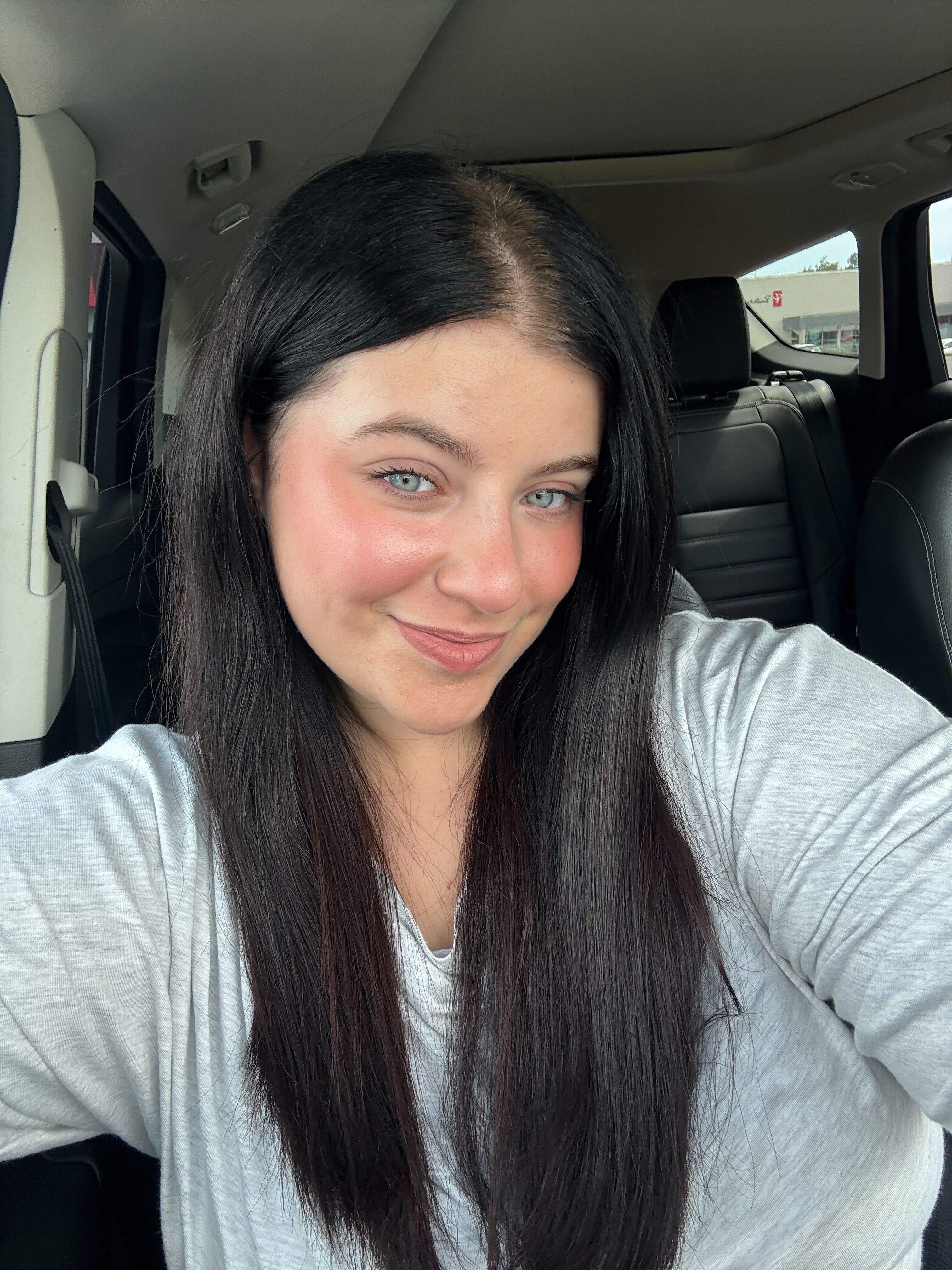
My name is Daniela. I’m 18 years old, and I was officially diagnosed with Systemic Lupus Erythematosus (SLE) at 13, but I have been living with symptoms since I was five.
When I was younger, I developed painful, inflamed rashes on my legs that made it hard to walk or even stand for more than a minute at a time. I went through years of medical appointments, bloodwork, biopsies, and specialist visits, but no one could give me a clear answer. My test results often pointed toward an autoimmune disease, but they never quite met the criteria for a specific diagnosis.
Over time, I learned that many rheumatic diseases are diagnosed using a checklist of symptoms and lab markers. The problem was, I didn’t fit neatly into that checklist. I had almost all of the common markers of lupus, but I was missing two, and because of that, I remained undiagnosed for years. I was often told that I was a “special” case. As a kid, I secretly liked feeling unique, but in reality, it meant that I was living with constant pain and inflammation without proper treatment.
During this time, I was physically limited in some way almost every day. I was a very active child involved in competitive dance, gymnastics, swimming, and karate, but physical activity was one of my biggest flare triggers. I was flaring constantly with nothing to help manage it. Still, I rarely missed practices because I wanted to keep up with everyone else my age. I pushed myself as much as I could, even when it meant dealing with the consequences later.
Delayed diagnosis in rheumatic disease is more common than people think. Many of the individuals I’ve met since my diagnosis have gone through something similar. By the time I was diagnosed at 13, we had finally found medications that helped calm my overactive immune system. As I’ve gotten older, new symptoms like joint pain and chronic fatigue have appeared, and they are challenges I’m still learning to manage today.
Living for years without a diagnosis can feel isolating, especially at a young age. But my experience has also shaped who I am today. It’s what sparked my interest in science and inspired me to pursue a future in medicine. While living with a rheumatic disease can be incredibly challenging, it doesn’t have to stop you from doing the things you love. There is a whole community of people who understand what you’re going through, and there are ways to turn your experience into something meaningful.
Comments